An evaporative cooler — also called a swamp cooler, desert cooler, or wet air cooler — cools air by evaporating water into it. It doesn’t run a refrigeration cycle the way a standard air conditioner does. Warm air passes over a wet surface, and the water pulls heat out of the air as it evaporates. The air on the other side comes out noticeably cooler. I spent 9 years repairing commercial food-service cooling equipment, and I saw this same basic idea over and over: move air across water, and let evaporation do the work. It’s a simple, low-cost way to cool a space, and in dry climates it works better than most people expect. As a bonus, it adds some much-needed moisture back into the air.
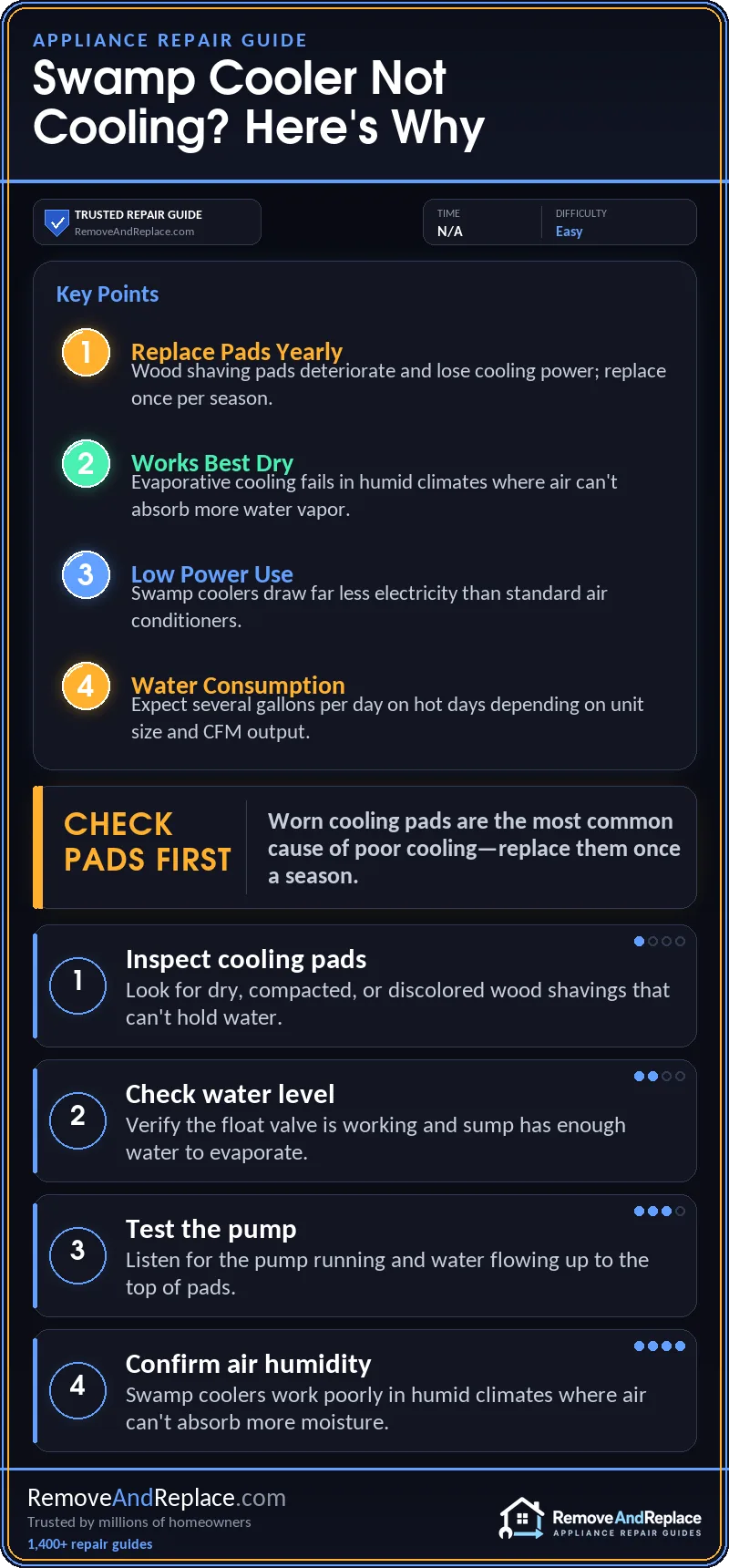
- Evaporative coolers cool air by evaporating water, and they use much less electricity than a standard air conditioner.
- Cooling pads are usually wood shavings. Most people replace them once a season, and they’re one of the cheaper parts to replace on a swamp cooler.
- A working unit can use several gallons of water a day, more on hot days, depending on the size of the cooler.
- To size a cooler, a common starting point is the room’s square footage times ceiling height, divided by two — check the manufacturer’s specs for the exact CFM you need.
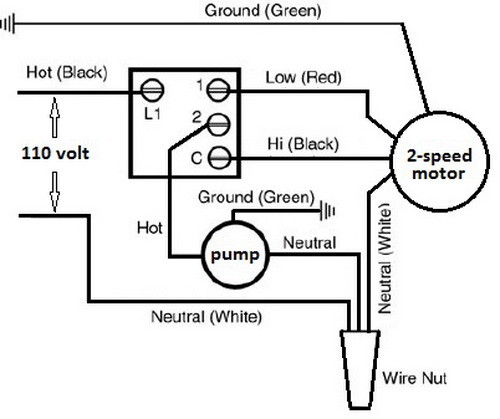
- Swamp coolers plug into a standard 120-volt outlet — no dedicated high-amp circuit required like central air conditioning needs.
How Does Evaporation Actually Cool the Air?
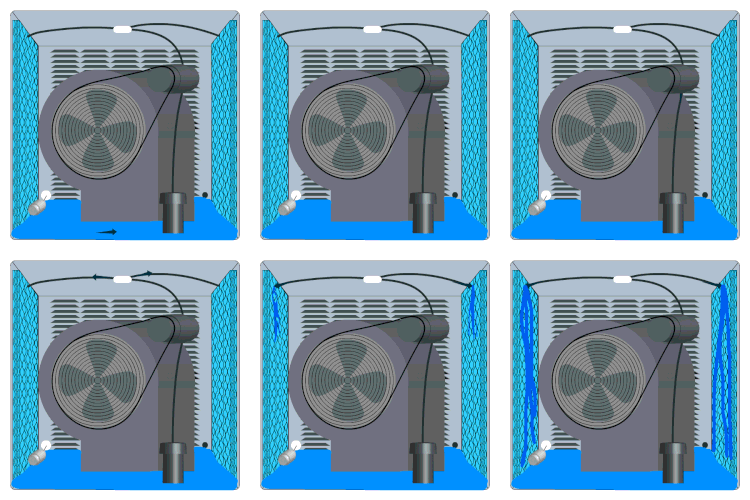
When warm, dry air passes over water, some of that water evaporates into the air. Hot, dry air can hold more moisture than cool, humid air. So it pulls in more water vapor. Turning liquid water into vapor takes energy. That energy comes from the air around it, in the form of heat. As the water pulls heat out of the air, the air cools down. I’ve found evaporative cooling works less well once the air is already humid. There’s less room left for the water to evaporate into, so there’s less cooling happening.
You can read more on the underlying physics from the Department of Energy’s overview of evaporative cooling systems, which covers why this works best in low-humidity climates.
Inside an Evaporative Cooler: Pads, Pump, Float Valve, and Fan
An evaporative cooler is really just a large fan pulling hot outside air through water-soaked pads and blowing the cooled result into the house or garage. I think of it as the same basic idea I saw over and over in my repair work: move air across a wet surface, let evaporation do the work, and keep the water moving so the process doesn’t stall out.
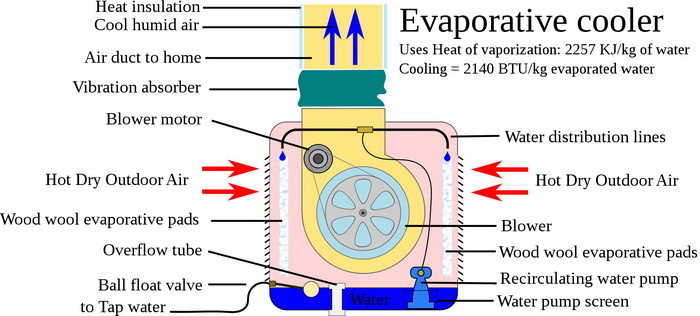
Cooling pads: These are most commonly made of wood shavings, because wood absorbs and holds moisture well while resisting mildew. I recommend replacing them once a season, since worn pads can’t hold enough water to cool well. When a cooler isn’t cooling like it should, pads are usually the first thing I check. They’re inexpensive compared to most other cooling system parts. You can check current pricing and find replacement pads through retailers like Ace Hardware’s evaporative cooler parts section.
Water pump: A small recirculating pump inside the cooler pushes water up through supply lines to the top of the pads. Water soaks into the pads as it drips down, collects at the bottom, and gets pumped back up again. It’s a continuous loop as long as the unit is running.
Float valve: Water is always being lost to evaporation, so a float valve tops off the sump — the reservoir at the bottom of the cooler — whenever the level drops too low. A cooler can go through several gallons of water on a hot day, sometimes quite a bit more, depending on the size and CFM output of the unit.
Fan: The fan does double duty. It pulls hot outside air in through the pads, where evaporation happens and the air cools down. Then it pushes that same cooled air out through the side vent and into the room.
How Much Can a Swamp Cooler Actually Cool a Room?
The temperature of the air coming out of a swamp cooler always depends on the temperature and humidity of the air going in. I’ve found an evaporative cooler often works best during the hottest part of the day. That’s usually when humidity is lowest, so the air has more room to absorb moisture. If you want a deeper technical breakdown of the mechanics, HowStuffWorks has a solid explainer on swamp cooler operation.
How Do You Size an Evaporative Cooler for Your Home?
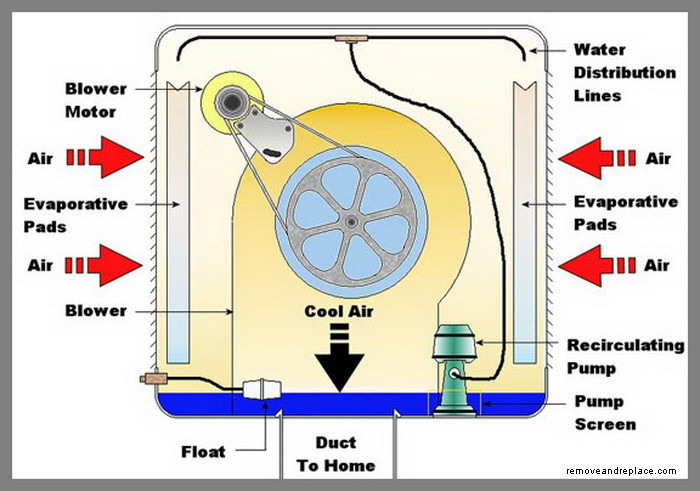
For a swamp cooler to actually cool the space you want, it has to be sized correctly. A small window unit won’t do much for a large room. Evaporative coolers are rated in CFM — cubic feet per minute of air the unit can push into your home. A common starting point installers use is to figure the room’s cubic footage (square footage times ceiling height), then aim for roughly half that number in CFM. It’s a rough guide, not an exact science, so I always check the manufacturer’s sizing chart before buying.
For example, in a 2,000 square foot home with 10-foot ceilings:
2,000 x 10 = 20,000 cubic feet
20,000 ÷ 2 = 10,000 CFM as a rough target
What Are the Benefits of Evaporative Cooling Over Air Conditioning?
- Evaporative cooling brings in fresh outside air often, pushing out hot indoor air along with smoke, odors, or pollution.
- Swamp coolers use a lot less electricity than a standard air conditioner — I’ve noticed that’s one of the biggest reasons people make the switch.
- An evaporative cooler typically costs less upfront than an air conditioner rated to cool the same size space.
- Swamp coolers run on a standard 120-volt outlet, so they don’t need the dedicated high-amp circuit that central air conditioning requires.
- Evaporative cooling adds moisture back into the air, which helps keep wood and fabrics from drying out in arid climates.
- Evaporative cooling systems generally need less ductwork than a full air conditioning setup.
Which Cooling Option Is Right for Your Home?
If you live somewhere hot and dry, I think an evaporative cooler is genuinely worth considering. It costs less to buy. It costs less to run. And it adds moisture your home probably needs anyway. Where it falls short is in humid climates. The air is already too saturated to absorb much more moisture. That’s why you rarely see swamp coolers doing the heavy lifting in places like the Southeast. If you’re in the desert Southwest, or another low-humidity region, and you size the unit correctly, I’d say a swamp cooler can realistically replace or supplement central air for a fraction of the running cost. I’d recommend running the CFM math twice before you buy, since sizing mistakes are one of the more common complaints I hear from people who end up disappointed with a new unit.

Written by Keith Schneerer
Certified Appliance Tech · Founder, RemoveAndReplace.com
Keith has spent 30+ years repairing machines, starting as a military mechanic and later maintaining food processing equipment before moving into appliance repair. He founded RemoveAndReplace.com to share field-tested repair advice.
More about Keith →
Water is not coming through the water distribution lines. I bought a new pump but it is still not working
The space to be cooled is of size 21.5m X18m X3mh and the condone area of 18mX 12m x 6m high.
These two separate areas will be served by one unit.
Note that the highlighted space needs a temperature of 16-18 degrees, this particular space will be fully insulated whereas the first one serves the normal temperature of 20 to 24 degrees.
For this, the room measures 21.5m x18M x 4m will separately have it’s independent unit to serve at 20/24 degrees the unis must be able to operate humidity level of 65% and ambient temperature 28 to 31 degrees.
Joann,
You simply have the belt too tight. If you adjust the motor and the fan pulley too tight on your swamp cooler, the motor will shut off temporarily as it is overheating and it is thermally protected. Loosen the belt between the fan pulley and the motor pulley by sliding the motor closer and you should be good to go. The belt should not be so tight that it stresses the motor to the point of overheating.
If you leave the motor to sit for about 20 minutes after it overheats, does it turn back on?
-RR
I have to replace everything on my swamp cooler such as the motor, bearing , belt, and it still starts to turn and then it stops and motor gets hot what am I doing wrong. Please help.