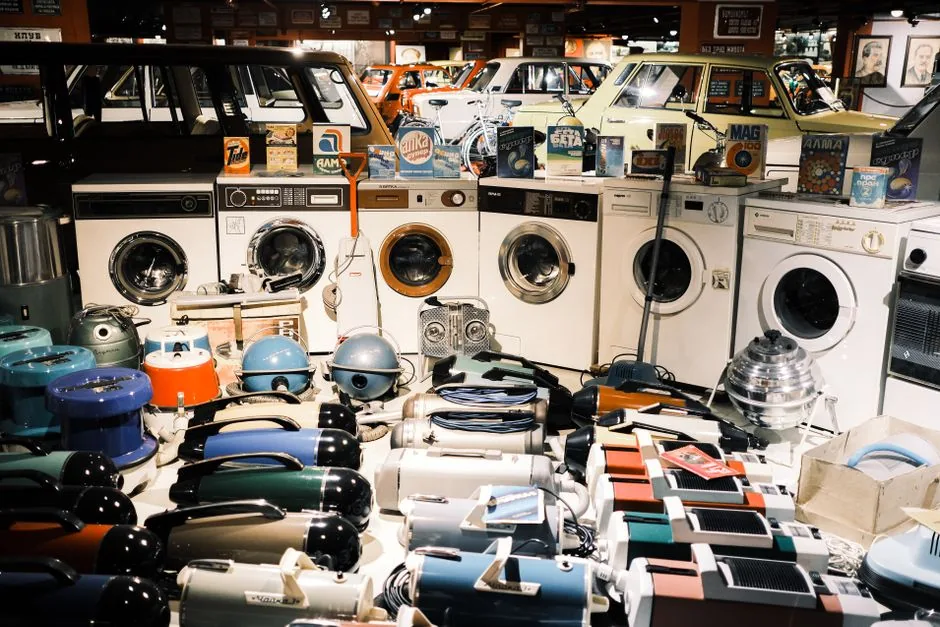
Most major home appliances last 8 to 15 years. Refrigerators run 13 years on average, washers and dryers 10 to 13, dishwashers 9 to 12, and gas ranges 15-plus. But the rated number and the real-world number split hard depending on how the unit was treated. Maintenance, not brand, decides who makes it to year 15.
- Refrigerators are the longest-lived kitchen appliance at 13 years average; compact and built-in units skew higher.
- Gas appliances almost always outlast their electric counterparts — fewer moving electronic parts to fail.
- About 60% of “dead” appliances I’ve been called out to over the years had a sub-$50 part failure, not a worn-out machine.
- Hard water is the single biggest lifespan killer for dishwashers, water heaters, and washing machines.
- Once a unit passes 8 years, the 50% rule kicks in: if the repair costs more than half a new unit, replace it.
The Home Appliances Lifespan Chart (Real Field Numbers)
Most charts get one thing wrong: they hand you a single number and call it a day. In the field, I saw two identical Whirlpool washers where one died at year 6 and one was still running at year 18 — same model, same year. The difference wasn’t luck. It was water hardness, load habits, and whether anybody ever cleaned the drain filter. So treat this home appliances lifespan chart as a starting point, not a death sentence. I spent 9 years fixing commercial food-service equipment and another 30 building this site, and if there’s one number I trust, it’s this: about 60% of the “broken” appliances I got called out for over the years had a sub-$50 part failure, not a worn-out machine. The chart below is the average a well-treated unit hits. Neglect knocks years off. Decent care adds them right back.
| Appliance | Average Lifespan | Best-Case (Well Maintained) |
|---|---|---|
| Refrigerator (standard) | 13 years | 18–20 years |
| Refrigerator (compact/built-in) | 9–14 years | 20+ years (Sub-Zero) |
| Chest/upright freezer | 15 years | 20+ years |
| Gas range | 15 years | 20+ years |
| Electric range | 13 years | 18 years |
| Dishwasher | 9–12 years | 15 years |
| Washing machine | 10–13 years | 18 years |
| Clothes dryer (gas) | 13 years | 18 years |
| Clothes dryer (electric) | 13 years | 16 years |
| Microwave (over-range) | 9 years | 12 years |
| Garbage disposal | 10 years | 15 years |
| Water heater (tank) | 10–12 years | 15 years |
| Water heater (tankless) | 18–20 years | 25 years |
| Central AC / heat pump | 12–15 years | 20 years |
| Gas furnace | 18 years | 25 years |
Start here to find your appliance fast: If you’re worried about a fridge → jump to Refrigerators Live the Longest. Washer or dryer keeping you up at night → jump to Washers and Dryers. Wondering why your dishwasher gave up early → jump to Dishwashers Die Youngest. Trying to decide repair vs. replace → skip to When Do You Repair vs. Replace?
Refrigerators Live the Longest — And Here’s Why
Refrigerators average 13 years and regularly push past 18 when they’re cared for, which makes them the marathon runners of the kitchen. And this is the part almost nobody tells you: the compressor — the expensive scary component everybody dreads — is almost never what actually kills a fridge. What actually dies is the start relay or the overload device bolted to the side of the compressor, a $15 part that trips the compressor into looking dead. I got called out to condemn a “failed compressor” more times than I can count, popped the relay off, shook it (a good one is silent, a bad one rattles), swapped in a new one, and the fridge roared back to life. That’s the single most useful thing on this whole page.
What you’ll see: The fridge is warm, the compressor is silent or clicking on and off every few minutes.
What’s happening: About 45% of the time it’s the start relay or overload. Another 25% is a failed evaporator or condenser fan (you’ll hear it — a healthy fridge hums, a dying fan grinds or rattles behind the freezer wall). Around 15% is a control board, and only about 15% is a genuine sealed-system or compressor failure that justifies replacement.
What to do: Pull the fridge out, unplug it, and check that relay before you accept a repair quote for anything over $200.
Brand-wise? GE refrigerators built before 2010 will outlast you — I’ve got no other way to say it. Sub-Zero built-ins routinely hit 20 years because they’re serviceable by design. Samsung French door units from 2015–2019 are the ones I’d side-eye; their ice-maker path had a known design headache, and a fridge that’s constantly frosting up in the ice compartment ages faster from all the defrost cycling.
Before you tear into it: Unplug the refrigerator — don’t just set the temperature dial to off. The compressor and start components hold enough charge to bite you. Pull it out about 18 inches from the wall so you’ve got room to work.
Washers and Dryers: 10 to 13 Years, and Water Decides
Washing machines average 10 to 13 years and dryers land right around 13. The number that matters more than the average, though, is your water. Hard water is quietly murdering your washer — mineral scale builds on the heating element, in the valves, and around the drum seals, and a machine fighting scale its whole life won’t see year 12. Soft-water homes routinely get a washer to 18. Same machine.
What you’ll see: Longer cycle times, a musty smell, or a washer that starts walking across the floor on spin.
What’s happening: Roughly 40% of early washer deaths I saw were bearing failures (that jet-engine roar on spin), about 30% were drain pumps clogged with coins and lint, and the rest were control boards and door seals.
What to do: Clean the drain pump filter every few months — it’s usually behind a little door on the front-bottom of a front-loader. A drain pump runs $30–60 and is a 45-minute job your first time (budget 15 once you’ve done it). Don’t skip this — I know it seems too simple to matter, but a clogged pump kills more washers than anything mechanical.
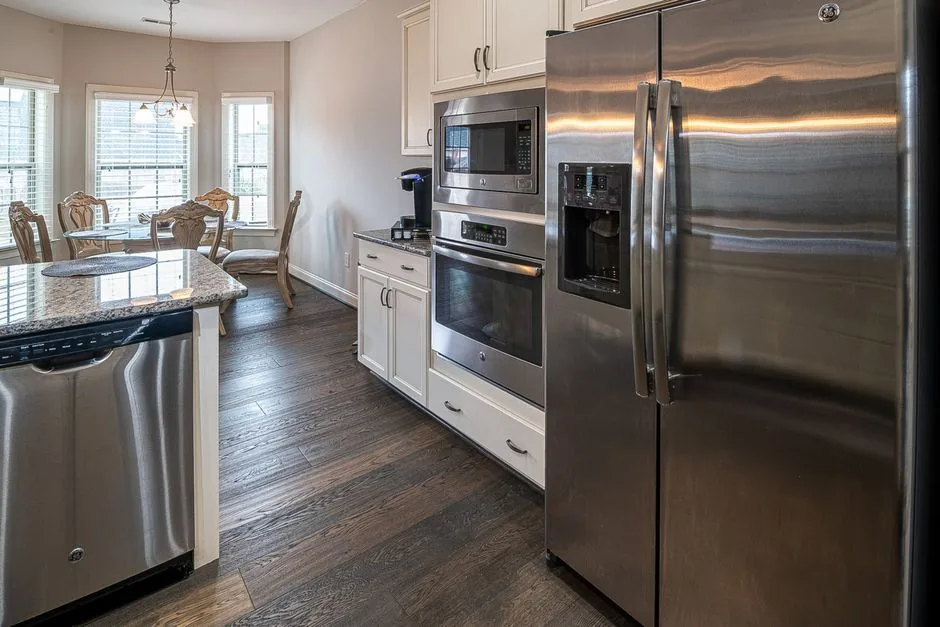
On brand: Whirlpool direct-drive washers are bulletproof if you maintain them — I’ve got a soft spot for that design because there’s so little to go wrong. Speed Queen is the closest thing to a commercial machine you can put in a house, and it shows in the lifespan. I used to tell people any front-loader was a gamble on bearings — I said that for years. Then I learned the real problem was people overloading them and leaving the door shut so mold grew in the seal. The machine wasn’t the issue. The habits were.
If you’ve got a gas dryer that’s aging out and you’re planning a swap, do it safely — read how to safely disconnect a gas clothes dryer before you haul the old one out. Gas dryers, by the way, tend to edge out electric ones on longevity because they’re simpler on the electrical side (fewer boards to fail).
Dishwashers Die Youngest — Usually Around Year 10
Dishwashers are the short-lived one of the bunch, averaging 9 to 12 years, and it comes down to the environment they live in: hot water, detergent, food acid, and constant heat cycling. Everyone assumes a dead dishwasher means a dead pump or a fried control board. Usually it’s neither. About 50% of the “dead” dishwashers I opened up had a failed drain pump or a clogged filter, another 20% were a bad heating element, and only about 15% were genuinely a control board worth condemning the machine over. A dishwasher filter is a 30-second clean that most people have never touched in the life of the machine — and that neglect is why they die at 9 instead of 15.
This is the counter-intuitive field trick: before you accept that your dishwasher “won’t drain and needs a new pump,” pull the filter basket at the bottom and check the sump for glass, a chicken bone, or a chunk of label paper. I’d say a third of drain “failures” are a physical blockage, not a mechanical one. Free fix. Costs you two minutes.
Bosch dishwashers run quiet and last, and they’re my go-to recommendation when someone asks. Whatever you buy, hard water is the enemy here too — scale on the heating element makes it work harder and shortens its life. A little citric-acid rinse once a month does more for dishwasher longevity than any brand choice.
How Long Do HVAC Systems and Water Heaters Last?
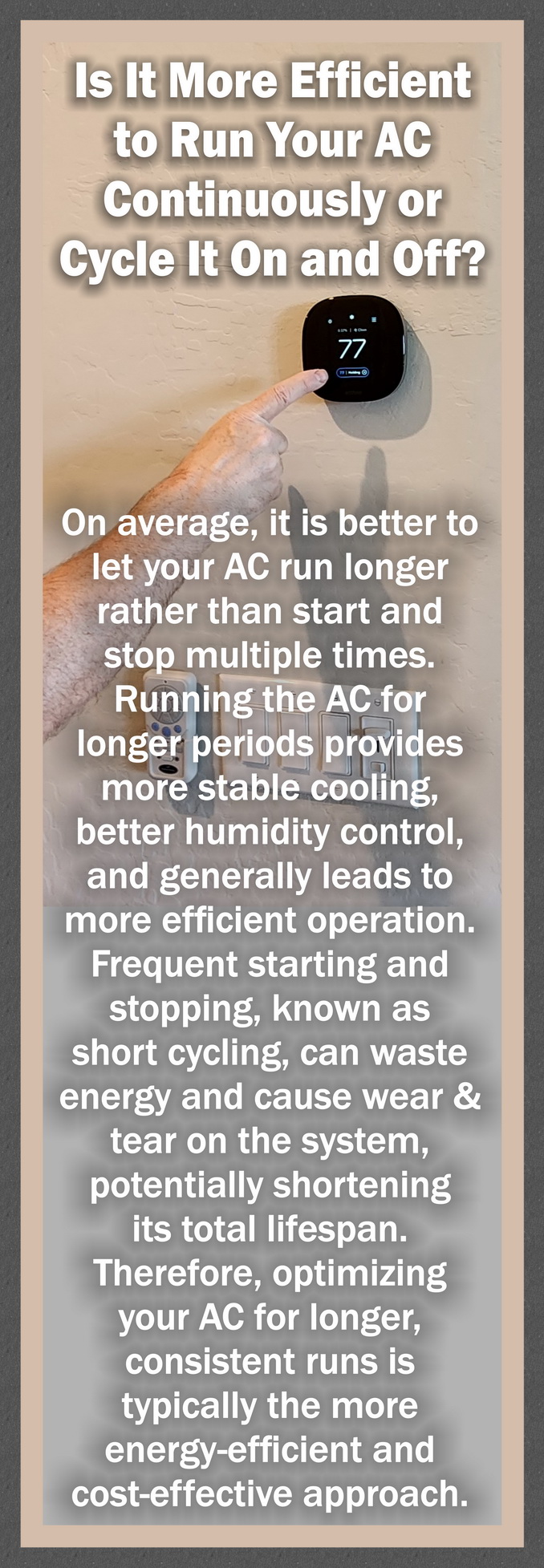
This is where the money lives, so let’s be specific. Central AC and heat pumps run 12 to 15 years, gas furnaces push 18 to 25, tank water heaters last 10 to 12, and tankless units can hit 20-plus. The single biggest thing that shortens an AC’s life is short cycling — the unit switching on and off too rapidly, which hammers the compressor. If your AC turns on then off repeatedly, don’t ignore it; read how to fix a central AC that short cycles, because every one of those extra starts is wear you’re never getting back. There’s actually a real debate about whether it’s better to let your AC run longer or start multiple times — and the longevity answer leans toward longer, steadier runs.
Water heaters die on a schedule set by your water chemistry. The sacrificial anode rod inside the tank is designed to corrode so the tank doesn’t — and once it’s gone, the tank starts rusting from the inside. Swap the anode rod around year 5 (it’s a $20–40 part) and you can double a water heater’s life. Almost nobody does it. That’s why the average is 10–12 and the well-maintained best-case is 15.
Combustion appliances demand respect. Anything gas-fired — furnace, water heater, range — needs a working carbon monoxide detector nearby. If you don’t have one or aren’t sure it’s placed right, read how to correctly install a carbon monoxide detector. A failing furnace heat exchanger can leak CO with no warning smell. This isn’t the place to guess.
When Do You Repair vs. Replace?
The rule I’ve used forever is dead simple. Take the age of the appliance and the cost of the repair. If the unit is past 8 years AND the repair costs more than half the price of a new one, replace it. If it’s under 8 years, repair it — you’ve got life left to justify the fix.
The math I want you to watch out for: a service call alone runs $75–125 just for the tech to show up and diagnose. A typical repair lands $150–400. So when a 12-year-old dishwasher needs a $300 control board and a new one costs $500, you’re throwing $300 at a machine that’s already past its average life. Replace it. But that same $300 into a 4-year-old washer with a bad bearing? Do the repair every time.
The parts that make repair worth it are the cheap ones: a fridge start relay ($15), a dishwasher drain pump ($30–60), a washer door seal ($40–80), a water heater anode rod ($20–40). Any of these on a unit under 10 years old is a clear repair. The parts that push you toward replacement are compressors ($100–500 plus labor), sealed-system refrigerant work ($400–1,200, pro-only), and control boards over $250. When you hit those on an aging unit, walk away.
How to Actually Make Your Appliances Last Longer
The whole point of a lifespan chart is to beat it. This is what actually moves the needle, based on the failures I stopped seeing when people did these:
- Refrigerator: Vacuum the condenser coils twice a year. Dust-caked coils make the compressor run hot and long, and heat is what kills compressors.
- Washer: Clean the drain pump filter every 3–4 months and leave the door cracked open between loads so the seal dries out.
- Dishwasher: Pull and rinse the bottom filter monthly; run a citric-acid or vinegar cycle to fight scale.
- Water heater: Flush the tank yearly and replace the anode rod around year 5. This single step can add years.
- HVAC: Change the filter every 1–3 months and stop the short cycling before it wears the compressor down.
None of that is expensive. It’s mostly free. And it’s the entire difference between the “average” column and the “best-case” column on that chart up top.
Frequently Asked Questions
Which home appliance lasts the longest?
Gas furnaces and tankless water heaters top the list at 18–25 years, followed by chest freezers and gas ranges at 15-plus. Among the everyday kitchen crew, the refrigerator is the champ at 13 years average. I’ve personally serviced GE fridges from the ’90s that were still cooling like the day they were plugged in.
Do more expensive appliances actually last longer?
Sometimes, but not the way people think. A Sub-Zero or Speed Queen lasts longer because it’s built serviceable, not because it’s fancy. I’ve seen $3,000 Samsung units die at year 7 and $600 Whirlpools run 18 years. Price buys features and finish more than it buys years — maintenance buys the years.
Is it worth repairing a 10-year-old appliance?
It depends entirely on the repair cost. If it’s a cheap part — a relay, a pump, a seal, all under $60 — absolutely, fix it. If it’s a compressor or a $250-plus control board, you’re better off replacing. Run the 50% rule: past 8 years and over half the cost of new, let it go.
What kills appliances the fastest?
Hard water and heat, hands down. Scale builds up on heating elements and seals, and heat cooks compressors and control boards. Overloading washers and never cleaning filters is a close second. I’d say 60% of the early deaths I saw over the years traced back to one of those.
How can I tell if my refrigerator is about to fail?
Listen and feel. A healthy fridge hums steadily; a dying one clicks on and off, runs constantly, or makes a grinding fan noise from the freezer wall. If the outside cabinet feels hot near the bottom and the food’s getting warm, check that start relay before you panic — nine times out of ten on a “dead” fridge, it’s a $15 part, not the compressor.
The Bottom Line
Every number on that chart is an average, and averages are made to be beaten. I’ve watched neglect turn a 13-year fridge into a 6-year fridge, and I’ve watched a $20 anode rod turn a 10-year water heater into a 20-year one. Buy decent, maintain it religiously, and check the cheap parts before you condemn the whole machine. Do that, and you’ll live in the best-case column instead of the average one.

Written by Keith Schneerer
Certified Appliance Tech · Founder, RemoveAndReplace.com
Keith has spent 30+ years repairing machines, starting as a military mechanic and later maintaining food processing equipment before moving into appliance repair. He founded RemoveAndReplace.com to share field-tested repair advice.
More about Keith →