Cutting your home energy bill doesn’t take a remodel or a big check written to a contractor. Most of the waste in an average house comes down to a handful of small, fixable habits — a ceiling fan spinning the wrong way, a thermostat nobody’s touched since it was installed, a dirty air filter choking the A/C. Fix those and you’ll notice it on your very next bill. The biggest energy wasters in most homes are usually the same handful of things: dirty filters, worn-out seals, and thermostats left on a setting nobody ever questions. Those three are worth checking first because that’s usually where the easy wins are hiding. The fixes below are the ones I’d tell a friend to start with, roughly in the order I’d tackle them myself.
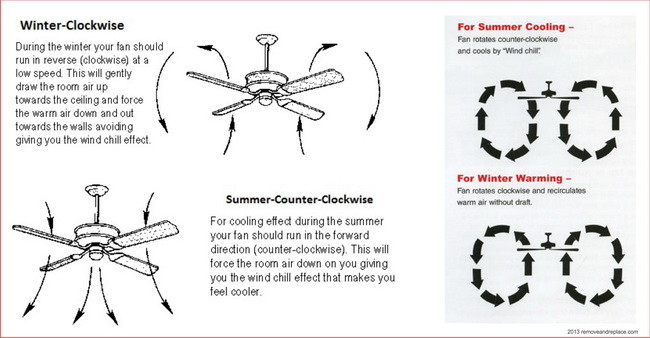
- Ceiling fans should spin counter-clockwise in summer and clockwise in winter — the direction changes how the air moves in the room.
- A basic programmable thermostat costs very little and pays for itself fast by keeping setback temperatures consistent instead of shutting systems off and on.
- Heat-producing appliances (oven, dryer, dishwasher) are best run at night in summer and any time in winter, when their heat actually helps.
- A dirty A/C or furnace filter forces the system to work harder for less airflow — check it monthly during peak season.
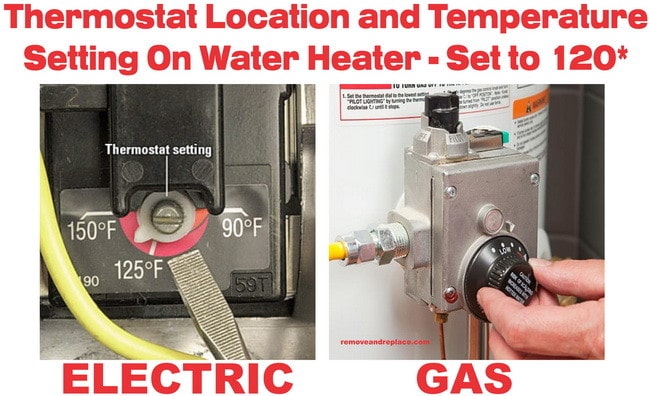
- Weather stripping, drapes, and a water heater set to 120°F are all inexpensive fixes that keep paying you back every month.

Which Direction Should a Ceiling Fan Spin in Summer and Winter?
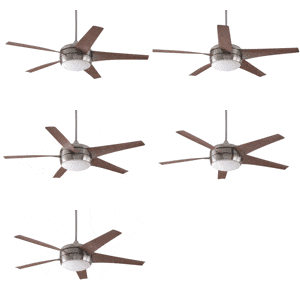
Most ceiling fans have a small toggle switch on the housing that reverses the motor’s direction, and which way it’s set actually matters. In summer, you want the blades spinning counter-clockwise (viewed from below) so the airflow pushes straight down and creates that cooling breeze on your skin. In winter, flip the switch so the fan spins clockwise — this pulls cool air up and pushes the warm air that’s collected near the ceiling back down along the walls, without blowing directly on you. In my experience, this is one of the more common habits people forget every season change. It’s kinda surprising how many homes still have it backward from the season. You can tell which way a running fan is set just by watching the angle of the blades and where the air is moving.
Install a Programmable Thermostat
A basic programmable thermostat is cheap, and a smart model like a Nest or ecobee costs more, though it adds remote control and usage reports on top of the basic scheduling. Either way, the goal is the same: set your home to a comfortable temperature during the hours people are actually there, and let it back off automatically while you’re at work or asleep. In summer, resist the urge to shut the A/C off completely when you leave — letting the house get too hot and then forcing the system to cool it all back down uses more energy than just keeping it a few degrees warmer while you’re gone. You don’t gotta shut the system off completely to save money; a modest setback does the same job with less strain on the equipment. The Department of Energy has a good breakdown of why energy efficiency matters for exactly this kind of setback scheduling.
Time Your Appliance Use to the Season
Ovens, dryers, dishwashers, and stovetops all throw off real heat while they run. In summer, that heat becomes extra work for your air conditioner, so it’s worth pushing those chores to late evening when it’s cooler outside and the A/C isn’t already struggling. If you’re gonna run the dishwasher or dryer anyway, doing it late at night keeps that heat from fighting your A/C during the worst part of the day. In winter, it’s the opposite problem — that same heat is free help warming the house, so cook and run the dryer whenever it’s convenient without worrying about the trade-off.
Switch to Efficient Light Bulbs

Old incandescent bulbs waste most of their energy as heat, which is exactly what you don’t want in a room you’re already trying to keep cool. LED bulbs run much cooler and use noticeably less energy for the same amount of light, and they last far longer than either incandescent or the old compact fluorescents. The difference in how much heat a room throws off once you switch is noticeable. LED prices have come down a lot, so there’s not much reason to keep the old ones in service. ENERGY STAR keeps an updated list of low- and no-cost tips like this one if you want more quick wins in the same vein.
Use Power Strips to Kill Standby Power
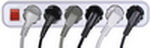
Group your computer setup — monitor, speakers, tower, desk lamp — onto one power strip, and do the same for your TV, cable box, game console, and sound system. When you’re heading out for a while, flip the strip off instead of leaving everything on standby. One flip and everything’s off, with no standby draw left running. Beyond the electricity savings, it also means those devices aren’t quietly adding heat to the room all day.
Change Your A/C or Furnace Filter Regularly
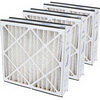
A dirty filter chokes off airflow and makes your system run longer to move the same amount of cooled or heated air. During peak summer or winter months, check it monthly — if it’s visibly gray or matted with dust, swap it. This is one of the cheapest maintenance habits that actually moves the needle on your bill. A filter that’s gone untouched for too long almost always means the system has been working harder than it needs to.
Add Weather Stripping to Doors and Windows
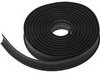
Weather stripping seals the gaps around doors and windows where conditioned air leaks out and outside air sneaks in. It comes in rolls with an adhesive side and a foam side, and applying it is genuinely as simple as pressing tape into place — no carpentry skill required. Exterior doors are usually where the worst leaks show up, so start there. Check older double-hung windows too; those tend to leak plenty.
Use Your Drapes to Manage Sunlight

Closing blinds or drapes during the sunniest part of a summer day keeps a surprising amount of heat out of the room. In winter, do the opposite — open them up on sun-facing windows to let that free heat in during the day. It’s a zero-cost habit that works with whatever window coverings you already have — closed during peak sun, open once it’s not doing anything but leaking heat.
Turn Down Your Water Heater
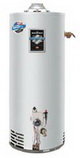
Most water heaters have a thermostat on the lower portion of the tank, and it’s common to find it set higher than it needs to be. Setting it to 120°F is the sweet spot — you’ll still have plenty of hot water for back-to-back showers without the tank cycling on more often than it has to. Most people never notice a difference in shower comfort at that setting, just a smaller bill. If the third shower in a row runs lukewarm, bump it up 5 degrees at a time until it holds.
Which of These Should You Start With?
If I only had time for three things this week, I’d change the A/C filter, check the ceiling fan direction, and turn the water heater down to 120°F — all three take a few minutes and cost next to nothing. The rest, like weather stripping and a programmable thermostat, are weekend projects that keep paying you back every single month afterward. The filter is the one most people skip, and it’s usually the one worth catching first. ENERGY STAR’s energy savings at home guide is a solid place to keep digging if you want to layer on more once these are handled.

Written by Keith Schneerer
Certified Appliance Tech · Founder, RemoveAndReplace.com
Keith has spent 30+ years repairing machines, starting as a military mechanic and later maintaining food processing equipment before moving into appliance repair. He founded RemoveAndReplace.com to share field-tested repair advice.
More about Keith →