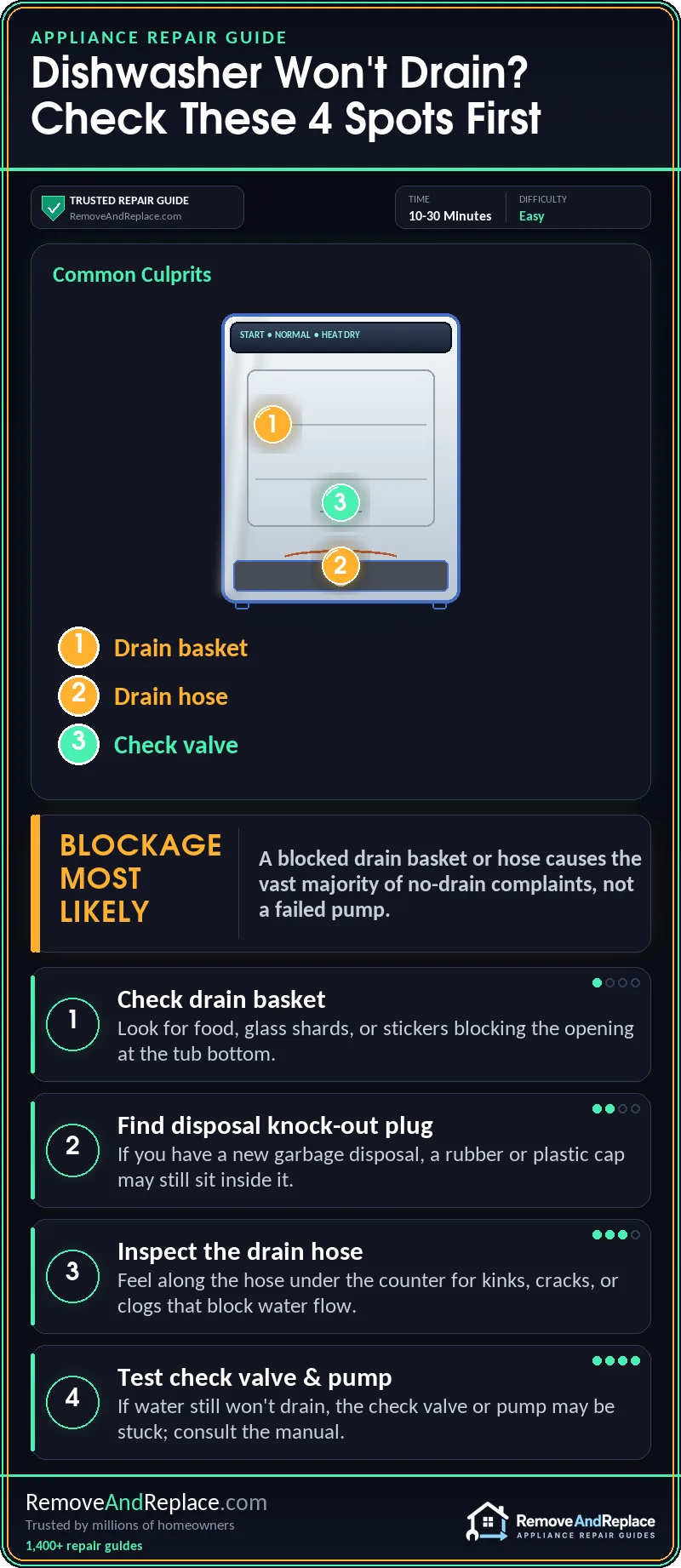
Most of the time a dishwasher that won’t drain is blocked, not broken — in my experience that’s still the first thing worth checking. Start at the drain basket in the bottom of the tub. Food, broken glass, or a fruit sticker sitting over that opening stops drainage cold — and clearing it costs nothing.
The Short Version
- Work the checks in order: drain basket, disposal knock-out plug, drain hose, check valve, pump.
- Just had a garbage disposal installed? The knock-out plug is almost certainly still sitting in it.
- You need almost nothing to do this — a flashlight, a screwdriver, a cup, and a couple of towels cover every check on the list.
What’s Actually Happening When The Water Won’t Leave The Tub
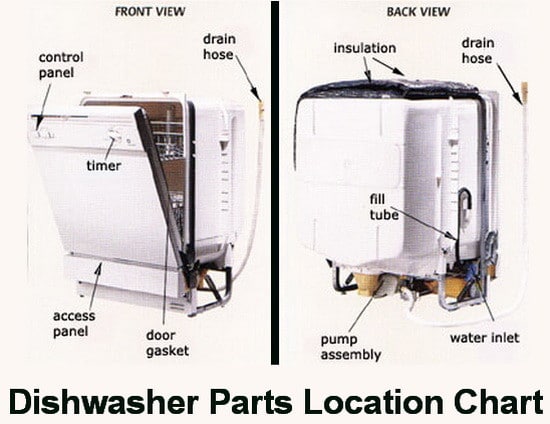
I follow the water before I start pulling parts, and a dishwasher gives you a short, easy path to follow. Your dishwasher doesn’t gravity-drain like a sink. At the end of every wash cycle a small pump pushes the dirty water up out of the tub, through a hose under your counter, and into either the side of your garbage disposal or a dedicated port on the sink drain. Water only has to make it past four or five points along that path, and a blockage at any one of them leaves you looking at an inch of gray water in the bottom of the tub. That’s why I start at the drain basket: it sits right at the mouth of the path and catches everything.
One thing I’d hang onto before you start: there are only five things that stop a dishwasher from draining.
| Cause | Likelihood | Fix Cost | DIY Time |
|---|---|---|---|
| Blocked drain basket | Most common | Free | 10 min |
| Disposal knock-out plug left in | Common on new installs | Free | 5 min |
| Crimped or clogged drain hose | Common | Free | 20-30 min |
| Check valve stuck closed | Less common | Free | 30 min |
| Failed drain pump | Least common | $40-$100 part | 1-2 hrs |
The assumption I’d bust right now: everybody opens that door, sees the water, and decides the pump is dead. It almost never is. From inside the tub, a simple blockage looks exactly like a failed pump — same standing water, same running cycle, same result — which is why the pump sits last on my list, not first. I’ve cleared plenty of no-drain complaints without ever taking the lower access panel off.
Start Here — Is Something Blocking The Drain Basket?
What you’ll see: standing water in the bottom of the tub, usually an inch or so, with a sour smell to it if it’s been sitting overnight. Dishes on the bottom rack come out gritty because the machine has been recirculating the same dirty water.
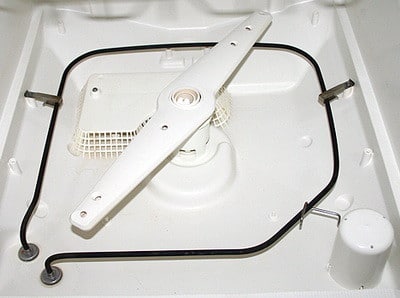
What’s happening: the drain opening at the bottom of the tub is covered. A piece of food, a fruit sticker, a chunk of eggshell, or a shard from a glass that broke mid-cycle settles right over it. That last one is the sneaky one — a broken glass in a dishwasher doesn’t stay in one piece, and the small curved pieces sit flat over the drain like a lid.
What to do: shut the power off at the breaker, then bail the standing water out with a cup and a towel. Get a flashlight and look at the bottom of the tub. If you have to reach in, go slow and feel with the back of your fingers rather than groping around with your palm — I’d rather you find the glass than the glass find you. Pull the drain cover off; it’s usually held by a couple of screws. Clear out whatever’s underneath, put the cover back, and run a short cycle to test it. If it drains, you’re done, and I’d say that’s where most of these end. It’s the same first step whether you’ve got a Whirlpool, a Bosch, or a builder-grade unit nobody’s ever heard of — the Whirlpool-specific version of this walkthrough starts in exactly the same spot.
Do not pour drain cleaner into a dishwasher. This is the wrong first move I see more than any other, and I understand the logic — the sink drains, the dishwasher doesn’t, so it must be a clog and clog means Drano, right? No. That caustic liquid has nowhere to go. It sits in the tub against the pump seals and the rubber gasket, and now instead of bailing out dirty water you’re bailing out dirty water that will burn your hands. There is also live electrical wiring under that tub. Off at the breaker, not just off at the button.
Did You Just Install A Garbage Disposal?
What you’ll see: the dishwasher drained perfectly fine last week, a disposal went in, and now it won’t drain at all. Nothing about the dishwasher itself changed.
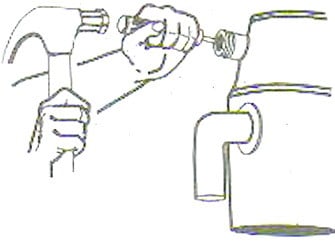
What’s happening: new disposals ship with a molded knock-out plug sealing the dishwasher inlet on the side of the housing. It’s there so the disposal can be used on sinks that don’t have a dishwasher. Whoever hooked up the drain hose left the plug in place, so your pump is pushing water into a dead end. If a disposal went in recently, I’d check this before I touched anything else.
What to do: remove the plug from the side of the garbage disposal so the dishwasher can push water through. You’ve gotta get it all the way out, too — I always fish the knocked-out piece out of the disposal chamber so it isn’t left rattling around in there. Then run a short test cycle and confirm it drains. Five minutes, no parts, and it’s honestly the most satisfying fix on this whole list.
Is The Drain Hose Crimped Or Clogged?
Your dishwasher is almost certainly sitting right next to the kitchen sink, and there’s a drain line running from the machine over to the garbage disposal or to a port on the bottom of the sink drain. Open the cabinet under the sink and, before you blame the hose itself, look at how it’s routed and what’s leaning on it — I’ve found more than a few of these pinched flat by a box of detergent, a bucket, or a bottle of cleaner somebody shoved in and forgot about. I’d move everything out of the cabinet and look at the hose’s whole run.
If it isn’t crimped, it may be clogged — either a single chunk of food or years of greasy buildup narrowing it down. Get a screwdriver, loosen the clamp, and pull the drain line off the side of the garbage disposal. Blow air through it and see if it’s clear. Have a towel down first, because whatever water was standing in that hose is coming out on your cabinet floor. If air moves through freely, the hose is fine and you move on down the list.
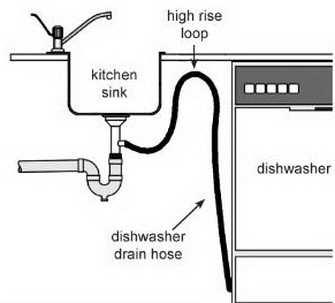
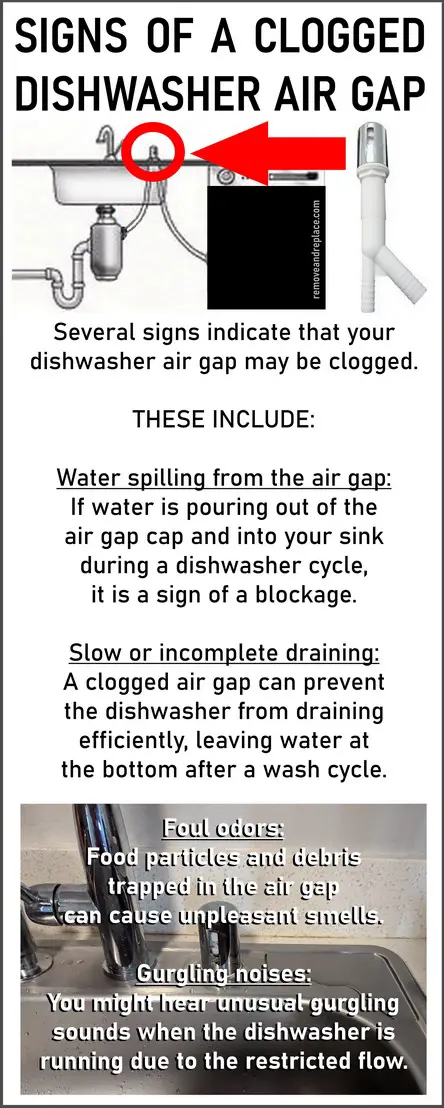
The mistake most people make putting that hose back: they reattach it in a straight, lazy run from the machine to the disposal. That hose needs to loop up high — secured under the countertop, above the level of the sink drain — or up through an air gap on the deck of the sink. Without that high loop, sink water and disposal slurry siphon backward into your dishwasher, and you’ll swear the machine is filling itself with filth. It kinda is. It’s just doing it through a hose that was routed wrong.
The Check Valve Might Be Stuck Closed
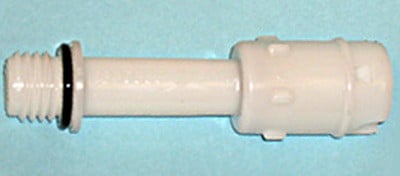
The check valve is what stops drained water from flowing back into the dishwasher once the pump shuts off. It’s usually located in the outlet of the pump where the drain hose attaches. If that valve gets stuck in the closed position, it completely prevents the water from draining out — the pump runs and the water goes nowhere.
With the breaker off, I work the valve by hand and see whether it moves freely. A lot of them are gummed shut with grease and detergent scale rather than actually broken, and they free up with a little cleaning. I’d never skip this one just because the pump is the more obvious suspect.
When It Really Is The Drain Pump
Now we’re at the bottom of the list, and you’ve earned the right to be here — basket clear, no knock-out plug, hose open, valve free. I listen to the machine during the drain portion of the cycle, because the sound narrows it down fast. A failing drain pump hums or buzzes and moves nothing; sometimes you get a grinding note if the impeller has picked up a piece of glass. Dead silent during drain usually points at the control board or a wiring problem instead, which is a different job.
If you have zero mechanical and electrical knowledge, this is the point where you call a repair company. That’s not me being cautious for the sake of it — you’re working under a tub full of water with the pump wiring right there. If you can remove and replace the dishwasher drain pump yourself, price the part online first; they’re usually cheaper online than at most stores. PartSelect’s not-draining repair page lets you search by model number, and RepairClinic has model-specific teardown help for the same job.
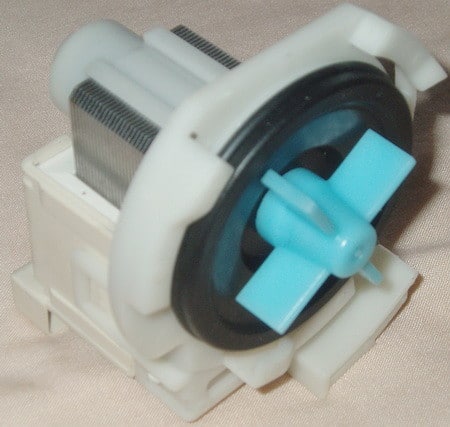
A drain pump runs $40 to $100 for the part. A service call for the same repair typically lands between $150 and $250 depending on where you live. If you’re comfortable pulling the lower access panel and working a couple of wire connectors, you’re keeping most of that in your pocket.
I’d hand this one off if the machine is hardwired and you’re not sure how to safely isolate it, or if the pump housing is fused to the sump with mineral scale. Fighting a seized pump housing on your back under a dishwasher is how a two-hour job becomes a Saturday.
How To Keep It From Backing Up Again
Scrape plates before they go in. You don’t have to pre-rinse — modern detergent needs some soil to work against — but no bones, no rice, no big salad greens. Run the garbage disposal for a few seconds and let the hot water flow before you start a cycle, so the dishwasher isn’t pushing water into a disposal that’s already full of yesterday’s dinner. I pull the drain basket and rinse it under the tap about once a month; it takes a minute, and I think it’s the single best thing you can do for that machine.
Same routine on other brands, too — the Frigidaire draining walkthrough ends up in the same cabinet under the sink.
Questions I Get Asked About Dishwashers That Won’t Drain
How do you force a dishwasher to drain?
You don’t, really — you bail it. A plastic cup and a stack of old towels handle most of it, and a shop vac gets the rest in about two minutes if you own one. If the machine won’t even attempt a drain cycle, I’d try a control reset before condemning the pump: this walkthrough covers how to reset a GE dishwasher, and the same thing for a Samsung.
Can I run the dishwasher again if it’s still full of water?
You can, once — a second drain attempt occasionally clears a partial blockage that shifted. I’d stop after two failed tries, though. All you’re doing after that is spinning a pump against a closed path, and that’s how a free fix turns into a pump replacement.
Will baking soda and vinegar clear a dishwasher drain?
It’ll deodorize the tub and it won’t hurt anything, but it isn’t gonna move a fruit sticker off the drain opening or punch out a knock-out plug. I’ve never once seen it fix an actual no-drain. Save yourself the fizzing volcano and pull the basket instead.
Why does my dishwasher fill up with dirty water from the sink?
That’s backflow, and it’s a routing problem rather than a dishwasher problem — see the drain hose section above.
Does a clogged garbage disposal stop the dishwasher from draining?
Yes, and it’s a common one people miss entirely. If the disposal is packed with potato peels, the dishwasher’s drain hose is dumping into a plug of food. Run the disposal with cold water until it’s clear, then retest the dishwasher.
What if the dishwasher quits mid-cycle and leaves water in it?
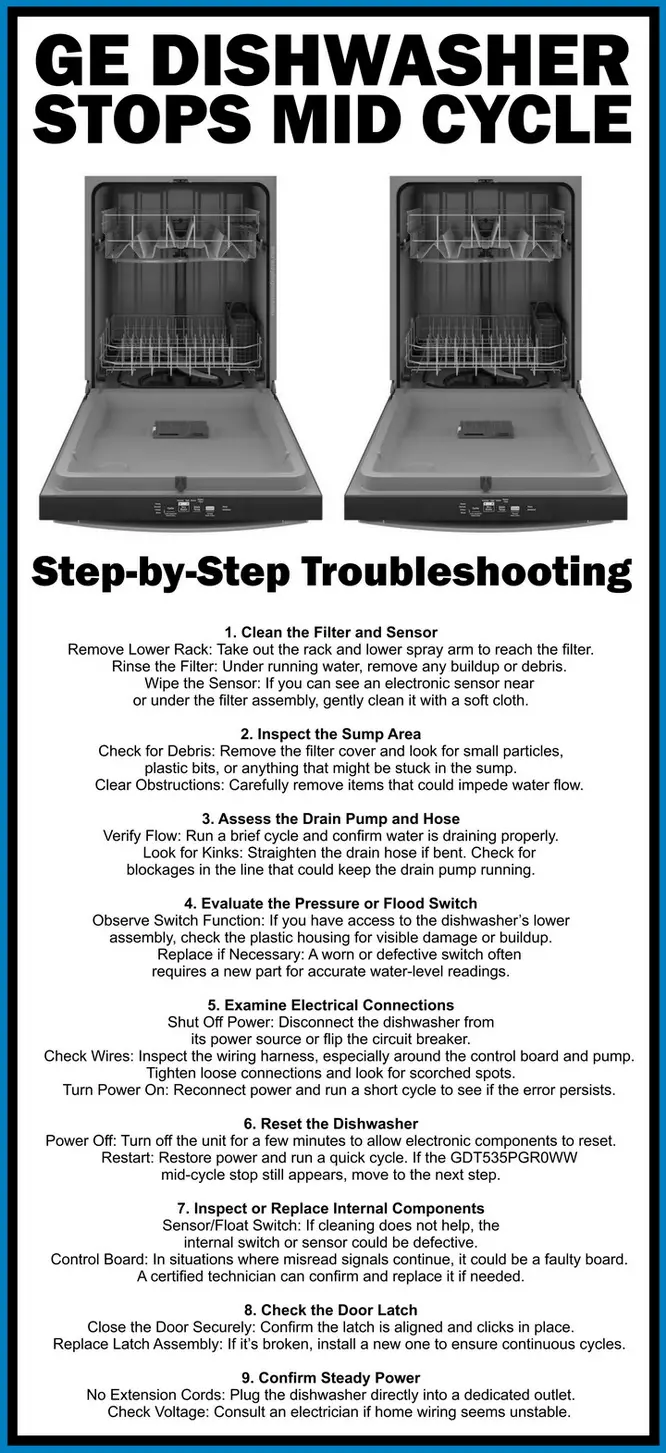
Then you’re probably chasing a different fault, not a blockage — a machine that stops partway through and abandons the water is usually a door latch, a thermal issue, or a control problem. I’d start with why a dishwasher turns off while in use and come back to the drain path if that turns up nothing.
Where That Leaves You
Work the list top to bottom and resist the urge to jump to the bottom of it. Each check rules out the one below it, so by the time you’re backing out the access panel screws you already know what you’re looking for — and most people never get that far, because the tub cleared up two steps earlier. Got a cause I didn’t cover? Leave it in the comments — I read them.

Written by Keith Schneerer
Certified Appliance Tech · Founder, RemoveAndReplace.com
Keith has spent 30+ years repairing machines, starting as a military mechanic and later maintaining food processing equipment before moving into appliance repair. He founded RemoveAndReplace.com to share field-tested repair advice.
More about Keith →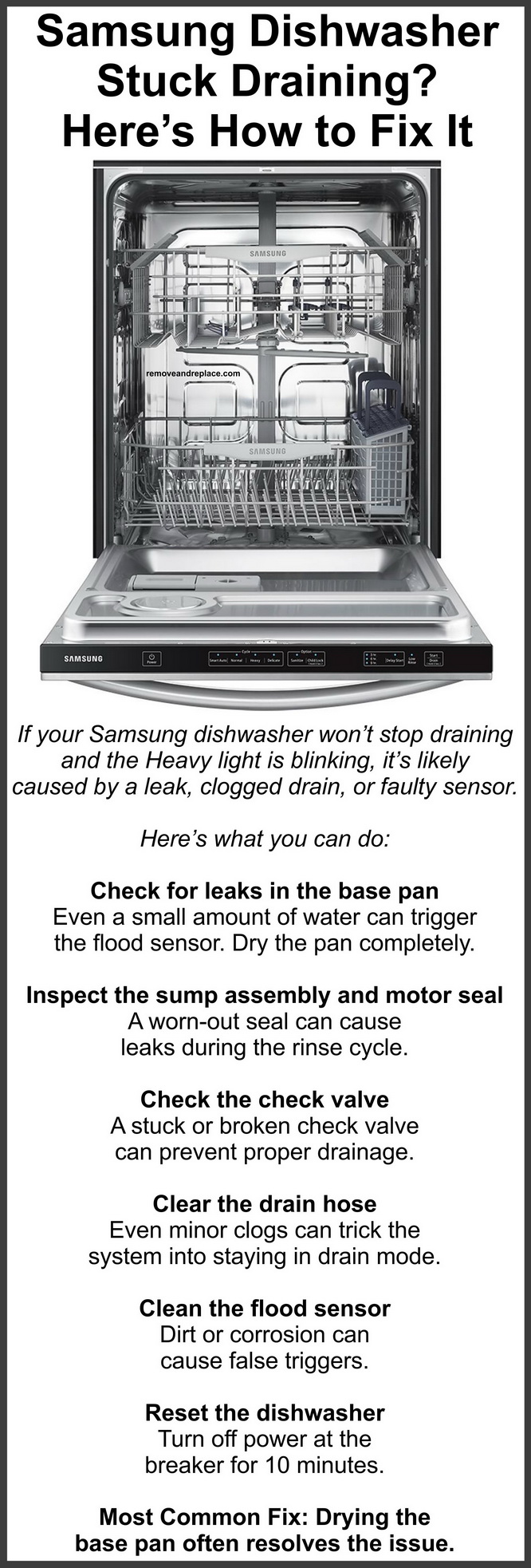
Bompani BO5021 dishwasher has F3 error code, please guide me to solve the issue. Thanks