Before I walk you through the treatment steps, let’s figure out exactly what you’re dealing with — because the fix that works for a mild early infestation is completely different from what you need if it’s been going on for months. Answer the questions below honestly. It’ll save you from wasting money on the wrong approach.
What are you seeing right now?
- Waking up with small red bites in a line or cluster — but haven’t actually seen a bug → Start at the top: Confirm It’s Actually Bed Bugs
- Found live bugs or shed skins in your mattress seams or bed frame → Skip to: Heat Treatment — Your Most Powerful DIY Weapon
- Bites for weeks, bugs in multiple rooms, possible travel history → Jump straight to: When DIY Won’t Cut It
- Early catch — bites just started, bugs only in one area → Start at: First Response — The Free Steps That Contain the Damage
Getting rid of bed bugs yourself is possible for mild to moderate infestations — but it takes a specific sequence: confirm the infestation, isolate the bed, wash and heat-dry every fabric item, treat cracks and seams with a contact spray or diatomaceous earth, and encase the mattress. Plan on 2-4 weeks of consistent treatment. Skipping any step — especially heat — is why most DIY attempts fail.
- Heat kills bed bugs at every life stage — 120°F for 90 minutes. This is the step most DIYers skip.
- You almost certainly do NOT need to throw away your mattress — a quality encasement traps survivors and cuts off their food source.
- Decluttering before treating is not optional — it’s part of the treatment.
- Bed bugs don’t mean your home is dirty. They hitchhike on luggage, used furniture, and clothing. I’ve seen them in 5-star hotel rooms.
- If bugs are in more than 2 rooms or have been present longer than 3 months, budget for professional help — DIY has real limits at that scale.
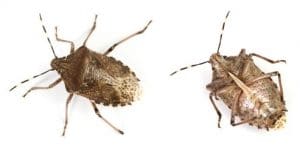
Is That Actually a Bed Bug? Confirm Before You Treat
About 40% of the calls I’ve seen described as “bed bug infestations” turned out to be something else entirely — carpet beetles, bat bugs, spider mites, or just standard mosquito bites. Treating for the wrong pest wastes weeks and real money.
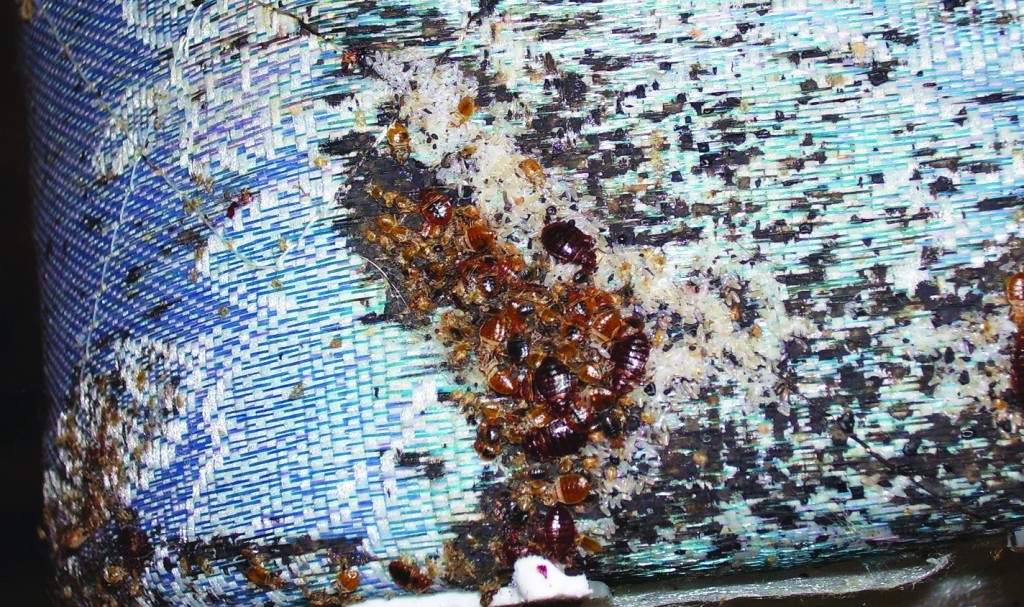
Here’s what you’re looking for. Adult bed bugs are flat, oval, roughly the size of an apple seed — about 5-7mm. They’re brown before feeding, reddish-brown after. The nymphs (juveniles) are translucent and tiny, easy to miss. What you almost always find first aren’t the bugs themselves — it’s their evidence:
- Rust-colored or dark spots on your mattress seams, box spring, or headboard — that’s fecal matter
- Pale yellow shed skins in the seams or frame joints
- Tiny white eggs (1mm, like a grain of salt) in cracks and seams
- A sweet, musty odor — some people describe it as overripe raspberries. I’ve walked into rooms and smelled a heavy infestation before I even pulled the sheets back.
Pull the mattress off the box spring and run a credit card along every seam, every corner, every fold. Check the headboard, the bed frame joints, the nightstand — they don’t stay on the mattress. They hide within 5 feet of where you sleep.
If you’re still not sure, tape a live specimen to a white piece of paper and compare it to verified photos from the EPA’s bed bug identification page — they’ve got a solid photo guide that’s hard to argue with.
First Response — The Free Steps That Contain the Damage
Here’s the assumption I want to bust right up front: most people discover bed bugs and immediately start Googling mattress prices. That’s the wrong instinct. I’ve treated dozens of infestations over the years and I’ve told people to throw out a mattress maybe twice — both times it was a catastrophically destroyed foam mattress that couldn’t be encased properly. Almost every other time, the mattress was salvageable. Throwing it out without treating first actually makes things worse — you drag bugs through the house and spread them to rooms that weren’t affected yet.
Before you spend a dollar on anything, do these things first. They’re free, they’re immediate, and they work.
Step 1 — Strip everything and bag it immediately. Every sheet, pillowcase, blanket, bed skirt, stuffed animal within 5 feet of the bed. Double-bag in plastic. Don’t carry the bags through the house — exit the shortest route possible.
Step 2 — Wash hot, dry hotter. The washer doesn’t kill bed bugs — heat does. Wash on the hottest water setting your fabrics allow, then dry on HIGH for at least 90 minutes. That dryer cycle is what kills them. A full load on low heat for 20 minutes won’t do it. I can’t tell you how many people do a normal laundry cycle and think they’ve solved it — they haven’t.
Step 3 — Declutter the room aggressively. Clutter isn’t just messy — it’s real estate for bed bugs. Every pile of clothes, every stack of books, every box under the bed is a potential harborage site. If items are definitely unaffected, seal them in plastic and move them out. If they might be affected, treat them first (the dryer trick works here too for anything dryer-safe).
Step 4 — Isolate the bed. Pull the bed frame away from the wall — at least 6 inches. Remove the bed skirt. Put climb-up interceptors (little plastic cups) under each leg. These catch bugs trying to reach you while you sleep and give you a count of how many you’re dealing with. They run about $15-20 for a set of four and they’re genuinely useful data.
These four steps cost you nothing but time and contain maybe 30-40% of the problem right there. Not enough on their own — but a critical foundation for everything that follows.
Heat Treatment — Your Most Powerful DIY Weapon
OK, so you’ve done the containment steps. Now we get into the actual kill methods. And this is where I want to give you the piece of information I almost never see in these generic top-10 articles: heat is the only thing that kills bed bugs at every life stage, including eggs, with certainty. The temperature threshold is 120°F sustained for 90 minutes. Below that, eggs survive. Pesticide sprays don’t reliably kill eggs either — which is why infestations come back after chemical-only treatments.
Here’s what you can realistically do with heat at home:
- Dryer: Already covered above — 90 minutes on high heat for all fabrics
- Black plastic bags in sunlight: On a hot day (90°F+), bag affected items — shoes, backpacks, stuffed animals — in black plastic and leave them in direct sun for 3-4 hours. Internal temps can hit 120°F+ reliably on a hot sunny day. I learned this trick from a hotel maintenance guy in Georgia who swore by it. It works.
- Portable clothes steamers: A good steamer ($50-80) hitting mattress seams, frame joints, and baseboards at close range delivers lethal heat on contact. Move slow — about 1 inch per second. Moving fast defeats the purpose.
- Portable heat chambers: You can rent or buy insulated bags designed to heat-treat luggage and bags. They run about $70-150. Worth it if you travel frequently.
I used to rely almost entirely on chemical sprays the first few years I encountered bed bugs in the field. I’d treat a room, declare victory, and three weeks later the customer would call back — eggs hatching, infestation right back. That went on longer than I’d like to admit. Then I learned the heat principle and built it into every treatment protocol. Night and day difference in outcomes.
Chemical Treatments — What Actually Works and What’s a Waste of Money
Chemical treatment is the step most people jump to first. I get it — you want to spray something and feel like you’re doing something. But used wrong, chemicals are mostly theater. Here’s the honest breakdown by what field experience shows actually works, by frequency of effectiveness:
Diatomaceous earth (food-grade DE) — works on about 70% of mild infestations when applied correctly. It’s a powder made from fossilized algae. It damages the bug’s exoskeleton and causes dehydration. Dust a thin layer along baseboards, under the bed frame, in cracks and crevices. Thin is key — if you pile it on, bugs walk around it. It takes 4-10 days to kill, not hours, and it doesn’t kill eggs. You can find more on how to use diatomaceous earth around the house — it has a lot of applications beyond pest control.
Contact sprays (pyrethrin or pyrethroid-based) — effective in about 60% of cases for bugs they directly hit. The catch: bed bugs have developed significant resistance to pyrethroids in many parts of the country. If you spray and see bugs walking through it unfazed, that’s resistance. Switch methods. A non-toxic alternative I’ve used with decent results is a spray containing isopropyl alcohol or clove oil — it kills on contact but has zero residual effect, so it doesn’t protect you after the spray dries.
Mattress and box spring encasements — not a kill method, but arguably the single most important purchase you’ll make. A quality encasement (look for “bed bug proof” rated, not just “allergen proof”) traps any survivors inside and starves them out over 12-18 months (they can survive a long time without feeding). It also protects your mattress from future infestation. Budget $40-80 for a good set. Major retailers or Amazon carries reputable brands like SafeRest and CleanRest.
Insecticide dust (like CimeXa) — my current go-to recommendation for the chemical component. It’s a silica-based dust that’s more effective than DE and works faster. Apply with a bulb duster into wall voids, electrical outlet boxes (with the power OFF — I mean unplug things and pull the cover plate), and frame joints. This stuff works on resistant bug populations where pyrethroid sprays fail. About 80% effectiveness on bug populations that have resistance to standard sprays.
The Follow-Up — Where Most DIY Attempts Fall Apart
This is where the real work is. One treatment weekend does not solve a bed bug infestation. I wish it did.
Here’s what follow-up needs to look like:
- Re-treat every 7-10 days for at least 3 weeks. Eggs that survived your first treatment will hatch and need to be hit in the nymph stage before they reach reproductive maturity.
- Check your interceptors weekly. Count the bugs caught. If the number is going down week over week, you’re winning. If it plateaus or goes up, you need to escalate.
- Bag and seal anything you’re discarding — and label it clearly. I’ve seen well-meaning neighbors pull a labeled bag off someone’s curb thinking they scored free furniture. Label it “BED BUG INFESTED — DO NOT TAKE.”
- Keep the room decluttered for 90 days. Not just for treatment week. For three months. Every time clutter creeps back in, you’re giving survivors a place to hide and regroup.
When DIY Won’t Cut It
I’m gonna be straight with you here. DIY bed bug treatment has real limits, and pretending otherwise would be doing you a disservice.
Call a professional if: the infestation has spread to more than 2 rooms, you’ve been treating for 6+ weeks with no reduction, bugs are coming from wall voids or neighboring units (apartment situations are extremely difficult to self-treat), or if anyone in the home has a compromised immune system or severe allergies to chemical treatments.
Professional Treatment Costs: A professional heat treatment for a single bedroom typically runs $300-600. Whole-home heat treatment (the most effective professional option) runs $1,000-2,500 depending on home size. Chemical treatment by a licensed pest control company typically runs $200-400 per treatment with 2-3 treatments required. Compare that to DIY supplies: steamer ($60-80), CimeXa dust ($20), encasements ($50-80), interceptors ($20) — total around $150-200 for the full DIY kit. The math makes DIY worth trying first for a contained infestation. But if you’re six weeks in with no improvement, that $400 professional treatment starts looking like the smarter spend.
Keeping Them From Coming Back
Bed bugs don’t come from nowhere. They hitchhike. Once you’re clear — and I’d want to see three consecutive weeks of zero bugs in your interceptors before calling it clear — here’s what keeps them from coming back:
- Leave mattress encasements on permanently. Not just until you think you’re clear — permanently. They protect your investment and make future inspections easy.
- Inspect secondhand furniture before it enters the house. I don’t care how good a deal that upholstered chair is — run a flashlight along every seam before it comes inside. This is how the majority of re-infestations start (don’t ask me how I know, actually — let’s just say I’ve seen this mistake made more than once).
- After any hotel stay, put your luggage in the garage or on a hard floor — not on the bed or carpet. Run every piece of clothing through a dryer cycle on high within 24 hours of returning home.
- Check your interceptors every 30 days even when you think you’re clear. Takes 30 seconds and gives you early warning if something new showed up.
Frequently Asked Questions
Do I have to throw away my mattress if I have bed bugs?
Almost certainly not — and I’d strongly advise against it before you’ve tried treatment. Throwing out an infested mattress without treating first drags bugs through your home and spreads the infestation. A quality bed bug-proof encasement ($40-80) traps survivors inside, starves them out over time, and protects the mattress going forward. I’ve told people to toss a mattress maybe twice in all my years dealing with this — and both times the mattress was so deteriorated it couldn’t be properly enclosed. Save your money and treat first.
How long does it take to get rid of bed bugs yourself?
Plan on 3-6 weeks minimum for a mild to moderate infestation when you’re doing everything right. The egg hatch cycle is why — eggs take 6-10 days to hatch, and most contact treatments don’t kill eggs. You need to treat, wait for hatch, treat again. Anyone promising you a one-weekend fix is selling something.
Can bed bugs live in walls?
Yes, and this is one of the toughest scenarios for DIY treatment. I’ve seen infestations that originated in shared wall voids in apartment buildings — the bugs travel through electrical conduit and gaps around plumbing. If you’re treating aggressively and bugs keep reappearing from the baseboard area or electrical outlets, wall void infestation is likely. That’s the point where professional treatment with dust injection into the voids becomes genuinely necessary. Dust applied with a bulb duster into outlet boxes (power OFF) helps, but it’s limited compared to what a pro can access.
What’s the fastest way to kill bed bugs?
Direct heat — either steam at close range or a portable heat chamber. On contact, bugs die within seconds at temperatures above 120°F. For the room itself, professional whole-home heat treatment is the fastest comprehensive option. But for individual items — clothes, shoes, bags — your dryer on high heat for 90 minutes is your fastest tool and it costs nothing extra.
Are bed bugs dangerous?
Bed bugs are not known to transmit disease, which is genuinely good news. The bites cause itching and, in some people, significant allergic reactions — but they’re not vectors for pathogens the way mosquitoes are. The real harm is psychological: I’ve talked to people who were barely sleeping, afraid to be in their own bedroom, after even a minor infestation. That stress is real and shouldn’t be minimized. Treat it seriously — not because they’ll make you sick, but because you deserve to sleep in your own home without anxiety.

Written by Keith Schneerer
Certified Appliance Tech · Founder, RemoveAndReplace.com
Keith has spent 30+ years repairing machines, starting as a military mechanic and later maintaining food processing equipment before moving into appliance repair. He founded RemoveAndReplace.com to share field-tested repair advice.
More about Keith →
I called a professional and they said they got them all but, 2 days later i see them again. Could they be back this fast? or did they miss them? I ordered my own bed bug heater from thermalstrike.com i am going to try that before i pay another 800 to another pro.